Key takeaways
- Nylon is the most durable fiber; polyester is soft and stain-resistant.
- Density matters more than thickness for long wear.
- A good pad can double the life of carpet.
- Match style and pile height to how the room is used.
Fibers
Nylon is resilient and holds its shape, making it the traditional choice for high-traffic areas. Polyester is soft and naturally stain-resistant, and is often the more economical choice. Wool is luxurious and durable but a bigger investment.
Triexta and blended fibers offer extra stain resistance.
Style and pile
Cut-pile carpets such as plush and textured are soft and casual. Loop carpets like Berber are durable and hide traffic wear. Higher density, with tightly packed tufts, wears better than a loose, fluffy carpet.
Choose lighter, textured styles to hide footprints.
The pad
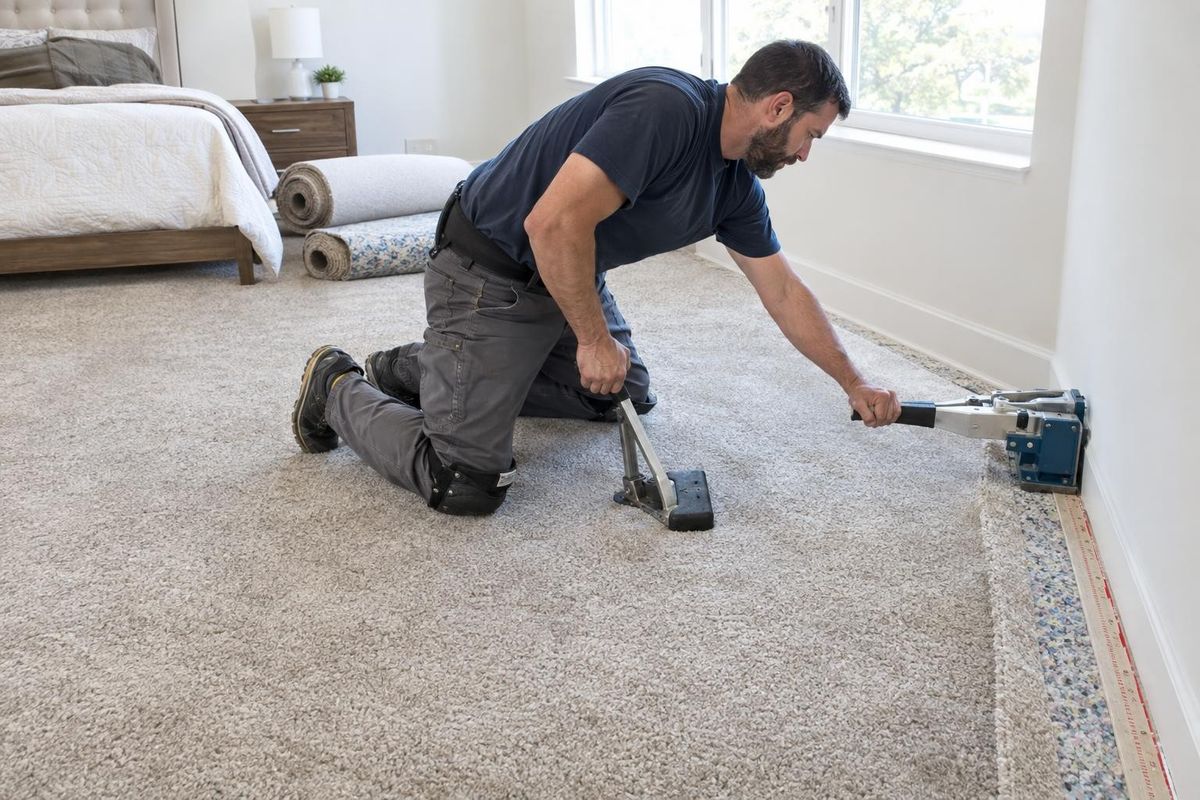
Carpet pad cushions the fibers, absorbs impact and insulates. Choose a dense pad of the thickness your carpet's maker recommends, because a very thick, soft pad can break down the backing.
Moisture barrier pads protect against pet accidents.
Where carpet works best
Bedrooms, family rooms and stairs are classic places for carpet. In busy kitchens and entries, hard flooring is often practical. A mix of carpet and hard floors works in many Nashville homes.
Samples in your own room's light help you choose color.
Quick answers
How thick should carpet pad be?
Typically between three-eighths and seven-sixteenths of an inch for most carpets, but follow the carpet's specifications.
Is more expensive carpet always better?
Not always. Density, fiber and installation quality matter most.