Key takeaways
- LVP is waterproof; laminate is water-resistant at best.
- Laminate has a hard, scratch-resistant surface and a dense core.
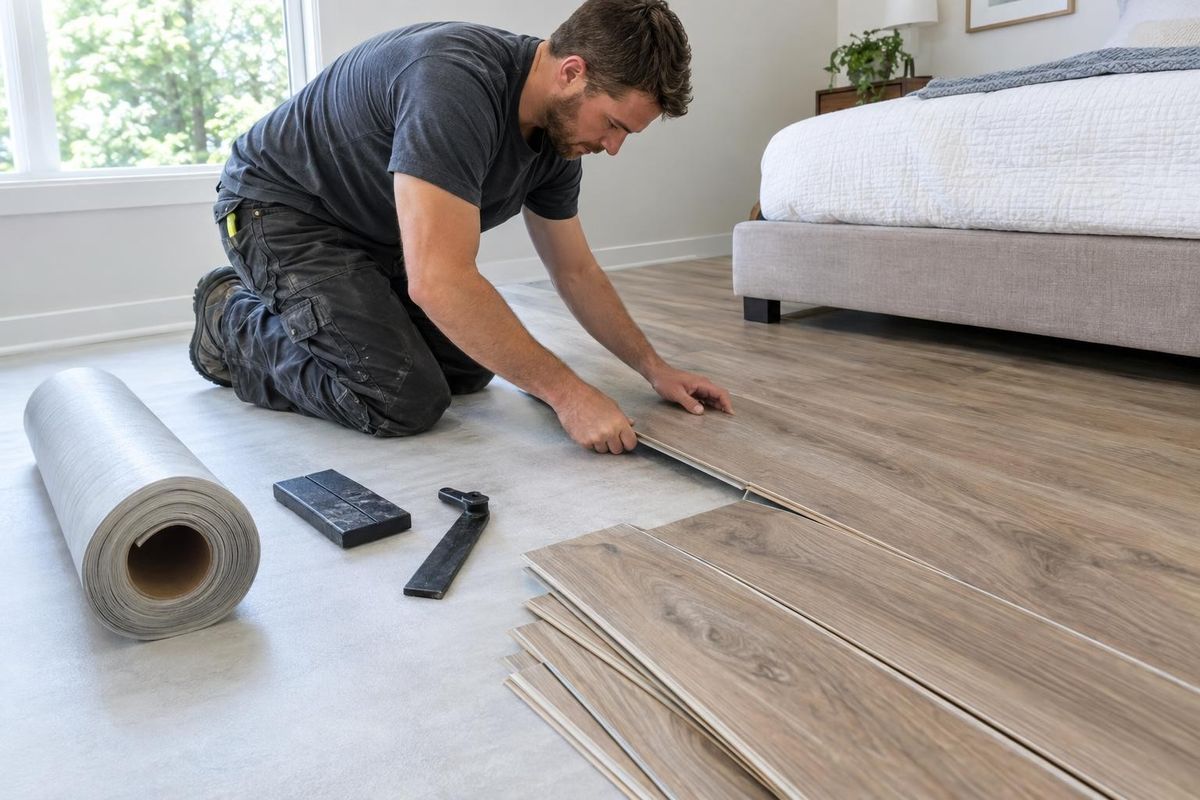
- LVP is softer and quieter and can be glued or floated.
- Wet rooms favor LVP; dry rooms can use either.
How LVP is built
Luxury vinyl plank is made of layers of vinyl with a printed wood image and a clear wear layer. Rigid-core versions add a stable core so planks stay flat and click together.
It is waterproof, which makes it popular for kitchens, baths, basements and laundry rooms.
How laminate is built
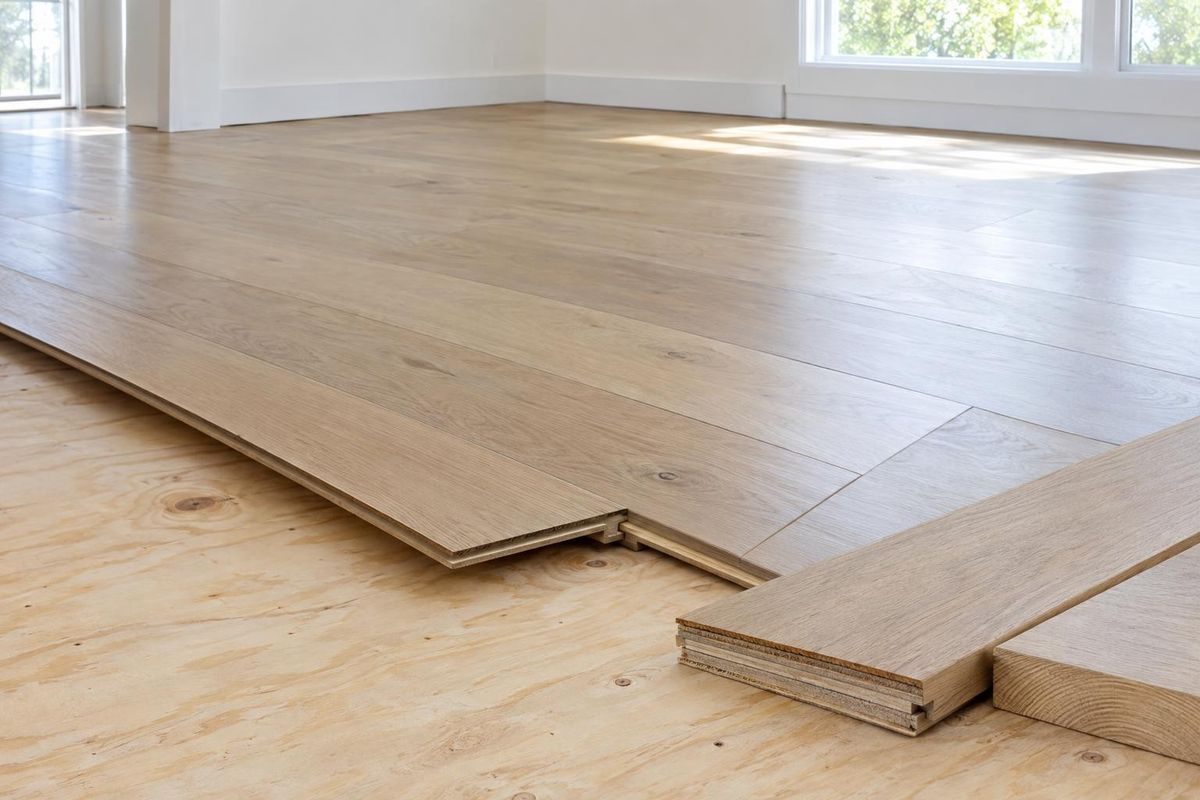
Laminate has a photographic layer over a fiberboard core, sealed with a hard, clear wear layer. It resists scratches very well but swells if water gets into the core.
Water-resistant laminates exist, but standing water is still a risk.
Comfort, sound and look
LVP is slightly softer and warmer underfoot and quieter than laminate. Laminate feels harder and can sound more hollow without underlayment. Both come in wide plank and textured finishes that look convincing.
Seeing samples in your own light is the best way to choose.
Which should you pick
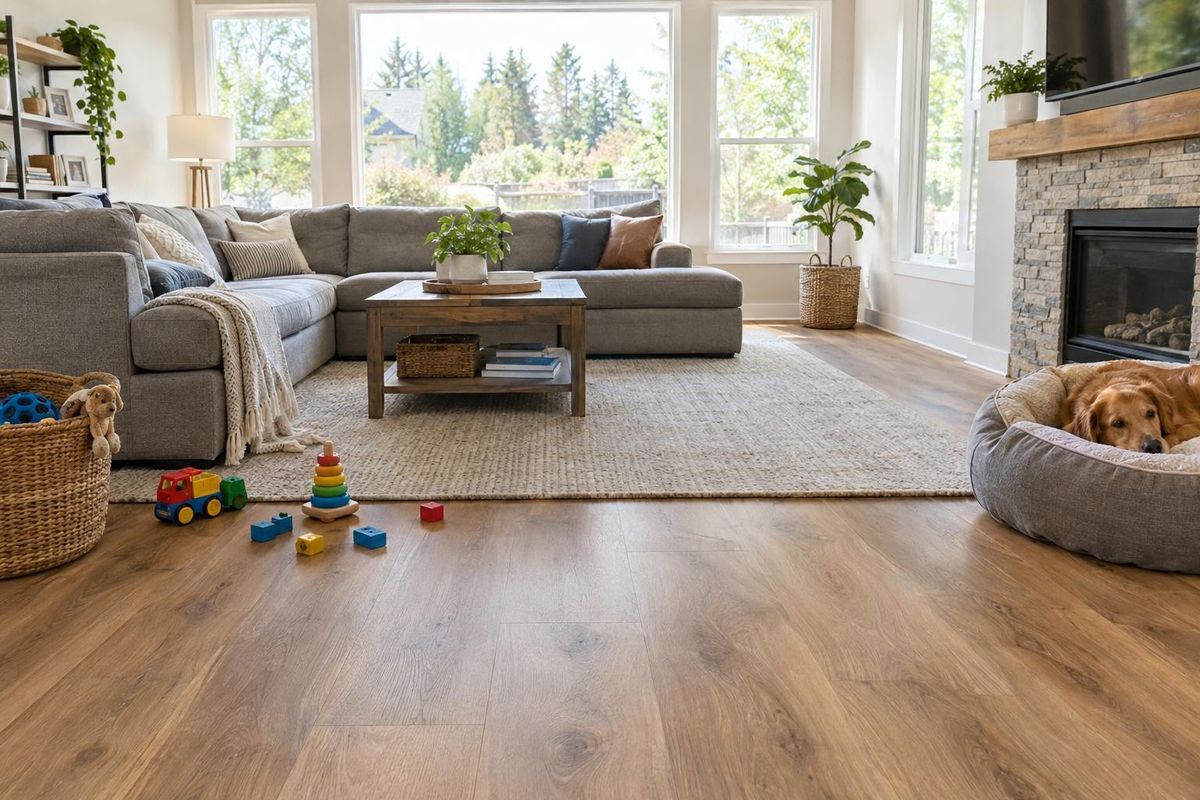
For kitchens, baths, basements and homes with kids and pets, LVP is usually the better pick. For dry bedrooms, offices and living rooms where scratch resistance matters most, laminate is an economical option.
We install both across Nashville and Middle Tennessee.
Quick answers
Can LVP go over concrete?
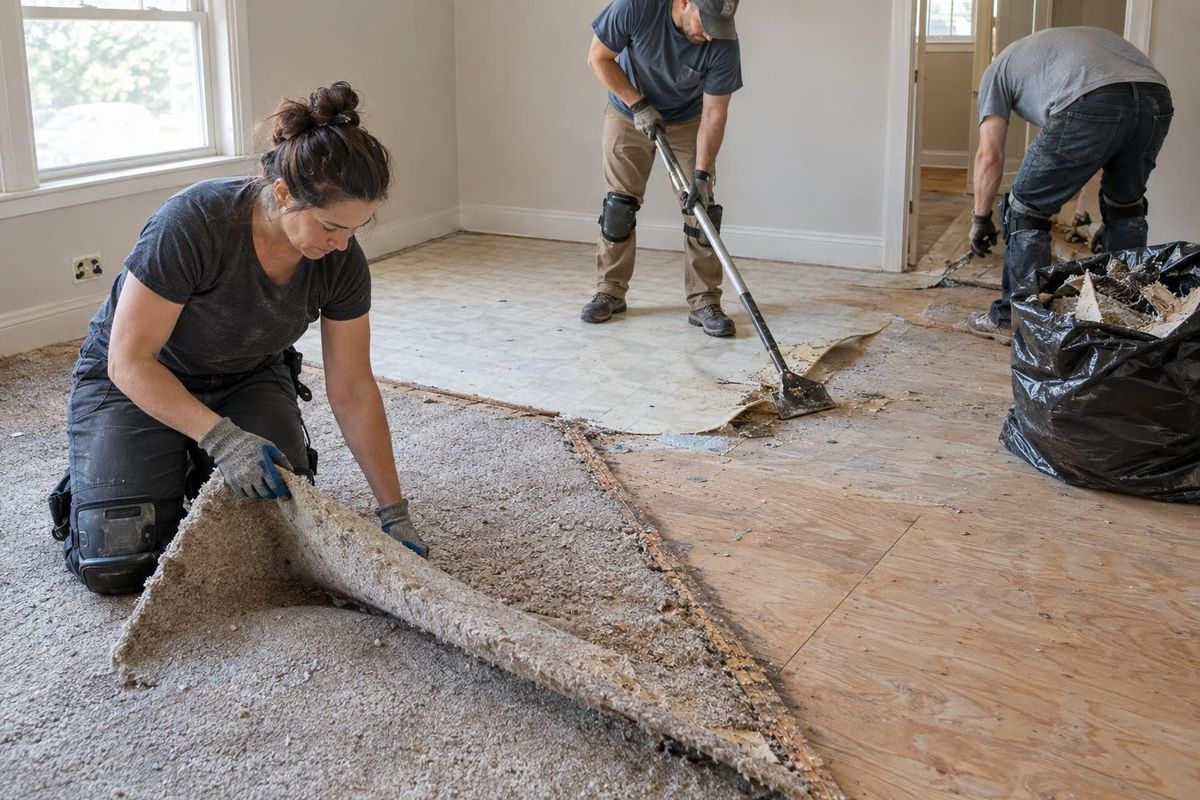
Yes, on a flat, dry slab with proper prep.
Does laminate last as long as LVP?
Both can last many years with care. Water exposure is the main difference.